


- This event has passed.
May 20, 2026 @ 2:00 pm - 3:30 pm
Event Navigation
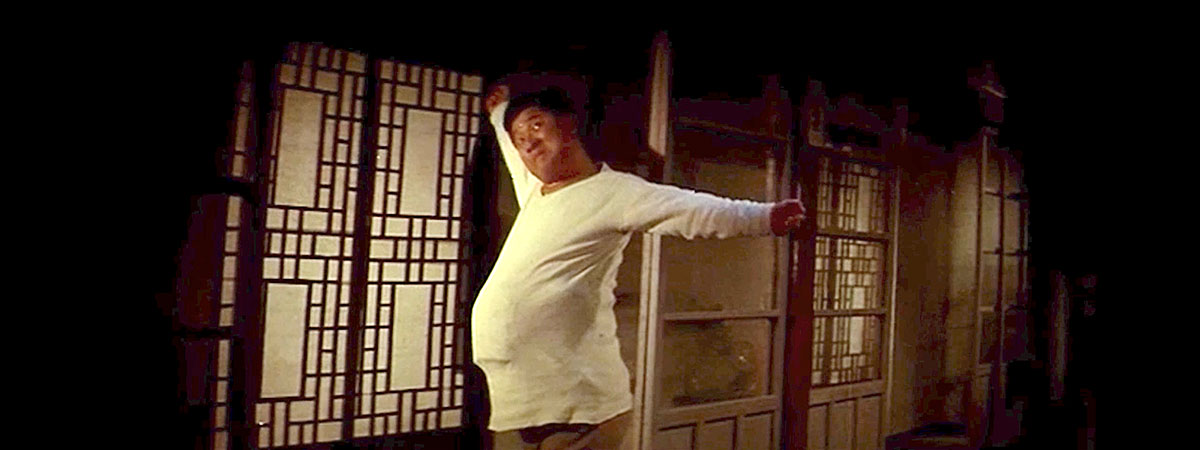
Taiwanese and South Korean film comedies of the 1960s and 70s were swarming with funny noises, from cymbal crashes to dog barks and glissandos of all timbres. Why all the ruckus? Was this simply a relic of the bygone era, an early sound film aesthetic arrived late in a developing nation? Examining the ways in which these sounds emanate from the bodies of comedians to make them larger, unrulier, or simply noisier than life, Shih argue that these “comedy parasites” interrupt the dominant image-sound perceptual chain with powerful consequences. In reorganizing the audiovisual contract, funny noises oriented filmgoers away from the authoritarian state and towards new political positions. They animated nonconformist, transgressive, and queer cinematic figures who were undeterred by the political and material realities of the Cold War. This remarkable feat was achieved despite—or perhaps thanks to—the perceived backwardness of film sound technology in these two post-colonial nations at the time. Unable to produce clear, naturalistic, and direct sound, Taiwanese and Korean sound designers ingeniously embraced “noise” in the post-synchronization process, specifically for the purposes of comedy. They contravened regimes of precision and technological developmentalism in their improvisatory recording practices. This talk examines through comparison how Taiwanese and South Korean cinema stretched the limits of audio-vision and invented a new rhetoric of film sound, thereby developing a sensual means through which to communicate the absurdity of authoritarian state ideology.
Evelyn Shih is Korea Foundation Assistant Professor at the Department of Asian and Middle Eastern Studies with a joint appointment in Cultural Studies and Comparative Literature at the University of Minnesota. She teaches courses on film and media, as well as Korean culture and literature within a comparative and transnational framework. She studies colonial, Cold War, and contemporary East Asia. Her work has been published in the Journal of Chinese Cinemas, the Journal of Korean Studies, MCLC, and Film Quarterly. Her first book manuscript, Cold War Laugh Lines: Comic Communication in Authoritarian Taiwan and South Korea, explores the comic forms that flourish under heavy censorship and ideological control. She dives into the archives of the anti-Communist sphere in Cold War East Asia to argue for the transnational circulation of a regional style of comic expression. Her work interweaves methodologies from affect and phenomenology, media historiography, environmental humanities, aesthetics and critical theory.
Cosponsored by the Interdisciplinary Humanities Center’s Sounding Transpacific Asia Research Focus Group, Center for Taiwan Studies, East Asia Center, and Department of East Asian Languages and Cultural Studies